

Newsroom
RSNN interview series: Thera Max-Mos
The RSNN interview series aims to give a better insight into the persons and organizations involved in the activities of RSNN. The series also provide an opportunity to highlight some of the current topics in the Regulatory Science field.
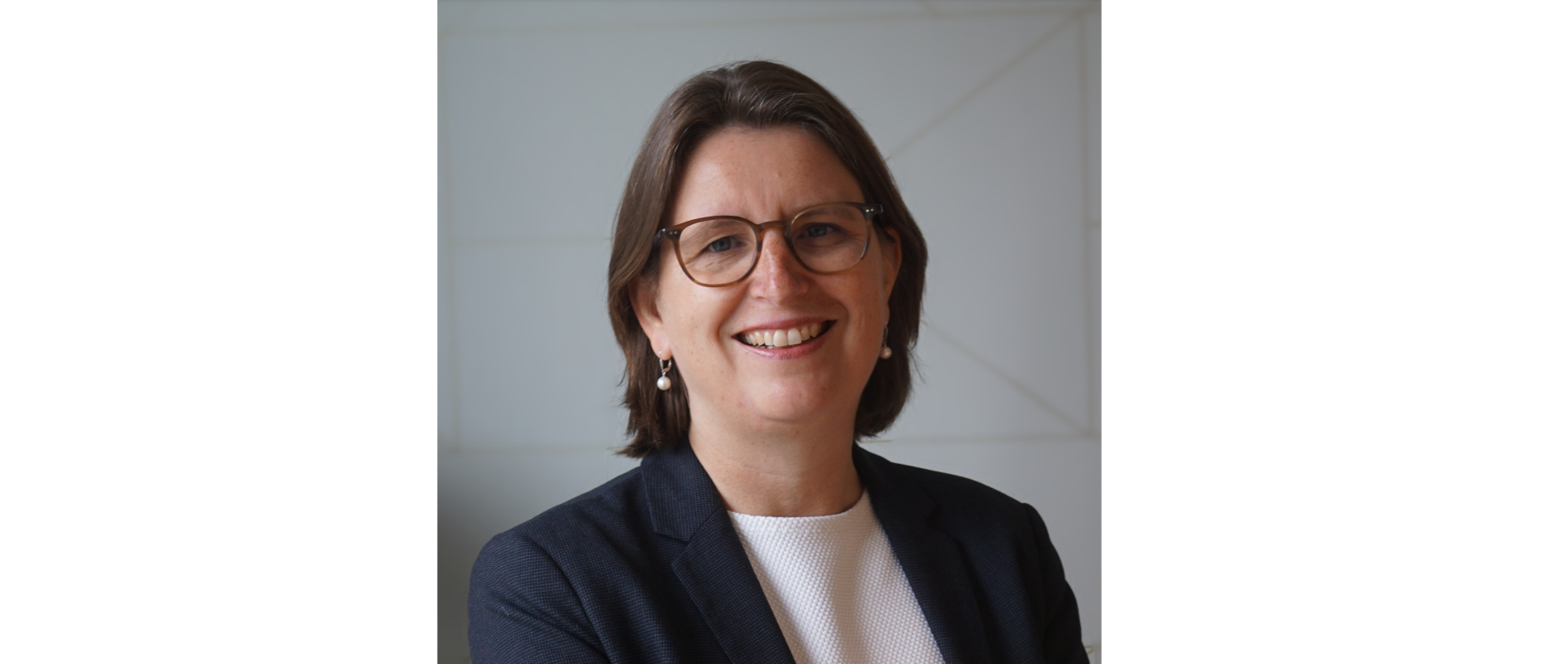
For this fifth interview in the series, Thera Max-Mos, head of the CCMO National Clinical Trial Office was interviewed. She recently joined the RSNN steering committee as CCMO representative.
CCMO (Central Committee on Research Involving Human Subjects) is an independent regulatory body under the Dutch Ministry of Health, Welfare, and Sports. CCMO protects participants in medical research by review of research proposals while promoting the advancement of medical scientific insights, as stated more precisely in the WMO (Medical Research Involving Human Subjects Act). Under new European legislation (Clinical Trial Regulation (CTR), Medical Device Regulation (MDR) and In Vitro Diagnostics Regulation (IVDR)), CCMO supports all Medical Ethics Review Committees (METCs) in the Netherlands and is the competent authority for clinical research in the Netherlands. Researchers wanting to conduct medical research under the CTR need to submit a trial application for approval to CCMO via the Clinical Trial Information System (CTIS).
Thera has a background in biotechnology, and entered the pharma industry shortly after completing her studies. She spent 18 years at Sanofi, primarily in clinical research. During her time at Sanofi, she was extensively involved in implementing new European legislation. This experience serves her well in her current position at CCMO. As head of the CCMO National Clinical Trial office, Thera is responsible for the scientific staff consisting of, among others, pre-assessors. Pre-assessors prepare and assess research proposals before they are submitted to the committee for review.
Can you explain the review process for proposals at CCMO?
CCMO and the METCs are jointly responsible for reviewing all studies with medicinal products and other WMO studies, MDR studies, and IVDR studies in the Netherlands. This means that all studies involving medicinal products, medical devices and in vitro diagnostics have to be submitted to CCMO and METCs. Additionally, we handle WMO research where no medical products are involved, but where participants are subject to procedures or are required to follow rules of behaviour. CCMO is the designated review committee for certain types of research, e.g. cell and gene therapy.
Currently, proposals with medicinal products are submitted via the European portal, CTIS. The review process of the proposals takes a maximum of hundred days under European legislation, but reviews of national studies can be performed faster.
Why is it important for CCMO to be part of RSNN?
It is crucial for us to be part of the RSNN as we are an integral part of the regulatory process. When a medicinal product is to be registered, it has already passed all the stages of research and review. With the implementation of European laws and regulations, our role as CCMO has officially changed. We are now a competent authority for clinical research. This means that we need to be well-coordinated and aligned with the other authorities.
This applies to the entire chain, including the Medicines Evaluation Board, National Health Care Institute (ZIN), and other partners in the healthcare sector. There are also many European developments that we need to address collectively.
"I think RSNN can ensure coordination between different parties and help anticipate future developments. This is one of the reasons that RSNN is important to CCMO: it promotes fast communication about crucial developments in the field."
What are the most important current regulatory themes for CCMO?
The implementation of European laws and regulations is an important theme, including the CTR, the MDR and the IVDR. We deal with this legislation on a daily basis, and it has significant impact on both the METCs and our own work. Under the new legislation, we review research files jointly with both METC’s and other member states.
Another important theme on which CCMO focuses is patient engagement. How do you involve patients in medical research in a meaningful way? We also look ahead to future developments, though these are further down the line. For instance, the European Health Data Space and artificial intelligence - what impact will they have on the work of CCMO?
We are concerned about the decreasing trend in the number of clinical trials in Europe. How can we reverse that trend? It is crucial to all of us that clinical research is carried out in Europe and does not shift entirely to other countries. The Netherlands want to be an innovative country and attract biotech. This requires a high quality regulatory system.
You just mentioned patient participation as an important topic. How have you currently incorporated patient engagement into your activities?
We implemented an important change last year. When submitting their research file, researchers must now indicate if and in what way they have engaged patients in designing their protocol. Currently, this does only apply to studies not subject to the CTR. We aim to explore how we can expand this criterium across Europe and standardize the approach within the EU. For now, our primary focus is on the Netherlands.
We are also trying to empower the patient's voice in other ways. The committee includes representatives of research participants and they follow a training programme developed jointly with PGOsupport to strengthen their influence in meetings. We are also in the process of establishing a participant council within CCMO to further enhance the role of patients.
What has been your experience with being part of RSNN so far?
So far, so good! Our initial interaction was to host an expert meeting on October 25th about the clinical trials landscape. Europe is under pressure to maintain its position in clinical research and the question is: what can we do from a Dutch perspective? How can we collectively ensure that these studies continue to come to the Netherlands?
It is exciting to discuss this topic within RSNN as it show the bigger picture instead of just examining a small part of the development of medicinal products. Preparing for this meeting has been enjoyable and also enhances the visibility of CCMO.
I think both RSNN and FAST can contribute to ensuring that medicinal products and medical devices are developed in a climate of high quality research in the future. It should also be approached in a way that is feasible for all parties and remains affordable. Jointly with the METCs, CCMO plays a part in establishing such a climate - and we stand a better chance in achieving this if we improve and harmonise our processes.